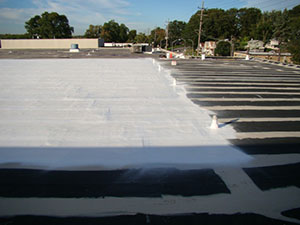
Flag Ship Foam & Coatings has provided commercial roofing services to property managers and building owners in Kalispell, MT and surrounding communities for 20 years. The company works with acrylic and silicone coating and restoration systems, single-ply roofing, spray foam installation, and general commercial roof repair, maintenance, and inspection. For commercial roofing needs in the Kalispell area, call 208-946-3031.
Choosing among commercial roofing companies should involve more than comparing the number at the bottom of each estimate. The useful question is whether each contractor is proposing the same investigation, materials, preparation, protection, and follow-up. A clear written scope helps building owners understand what they are approving and where one proposal differs from another.
Comparing Bids from Commercial Roofing Companies

Getting more than one bid before choosing a commercial roofing company can be useful, but bids are not always describing the same work. A lower price may reflect a narrower scope, while a higher price does not automatically mean the proposal is more complete. Put the bids side by side and compare what each contractor is actually including.
- Confirmed services included. Does the bid clearly identify the work being proposed, such as repair, coating, single-ply installation, or spray foam work, rather than presenting only a lump-sum price?
- Investigation scope. What conditions did the contractor evaluate before pricing the work? A commercial roof inspection should give the contractor enough information to explain the visible conditions driving the recommendation, while recognizing that concealed conditions may require further evaluation.
- Material and system specification. Are the proposed roofing system, materials, preparation steps, and application requirements described clearly enough to compare with another bid?
- Exclusions and allowances. What is not included? Ask how the proposal handles conditions that cannot be confirmed until work begins, such as concealed deck deterioration or other hidden damage.
- Scheduling. Does the proposed timeline explain sequencing, weather contingencies, access needs, and any coordination required for an occupied building?
- Occupied-property protection. If tenants, employees, equipment, or customer areas remain in use, does the scope explain how access, debris, and work zones will be managed?
- References. Can the contractor provide relevant examples or references for commercial projects involving a similar roof system or project type?
- Warranty responsibilities. Manufacturer or system warranty terms and contractor workmanship coverage are not interchangeable. Flag Ship Foam & Coatings offers system warranties of up to 20 years depending on the roofing system selected. Ask each contractor to identify the applicable warranty terms, coverage, exclusions, maintenance requirements, and responsibility for workmanship in writing.
When two proposals differ significantly, ask what is creating the difference. One contractor may be including preparation, repairs, protection, or system requirements that another has excluded. Useful follow-up questions include: What roof conditions are driving this recommendation? What work is excluded? What assumptions could change the price? What documentation will I receive before approving a change in scope?
How to Review the Scope Before You Sign
A strong proposal should make the project understandable without requiring the owner to interpret vague roofing terminology. Look for a defined scope of work, the roof areas involved, the proposed system or repair approach, preparation requirements, exclusions, scheduling expectations, and a process for approving changes. If two bids use different systems, ask each contractor to explain why that approach fits the existing roof condition and building needs.
Pay particular attention to allowances and unknown conditions. Some roof conditions cannot be confirmed until existing materials are opened or removed. A useful bid should explain how those discoveries will be communicated and how additional work will be approved rather than leaving the process open-ended.
Warranty language also deserves a careful read. Do not assume that every manufacturer or system warranty covers the same conditions or that workmanship coverage follows the same terms. Ask for the applicable documents and review duration, exclusions, maintenance obligations, transfer provisions, and who is responsible if a problem develops after the project.
Commercial Roofing Company in Kalispell, MT
Flag Ship Foam & Coatings serves commercial property owners in Kalispell, MT with roofing, coating, restoration, repair, maintenance, inspection, single-ply, and spray foam services within the company’s active commercial scope. If you are comparing bids for an upcoming project, ask the company to explain the recommended work, applicable system options, exclusions, and warranty terms for your building. Call 208-946-3031 to discuss your commercial roofing needs.
Frequently Asked Questions
What should a written bid from a commercial roofing company include?
Look for the proposed scope, roofing system or repair approach, preparation, exclusions, schedule, warranty terms, and a process for approving changes. The more clearly these items are defined, the easier competing bids are to compare.
Why can commercial roofing bids differ so much in price?
Prices can differ because contractors may be proposing different scopes, systems, preparation, allowances, or protection measures. Compare those details before deciding whether two bids are truly equivalent.
What is the difference between system warranty terms and workmanship coverage?
They can cover different responsibilities and are governed by their written terms. Ask for the applicable warranty documents and confirm duration, exclusions, maintenance requirements, and who is responsible for workmanship.
Do I need to close my building during commercial roof work?
Not necessarily. Whether the building can remain occupied depends on the project, access, safety requirements, and work sequence, so ask each contractor how operations will be coordinated before work begins.