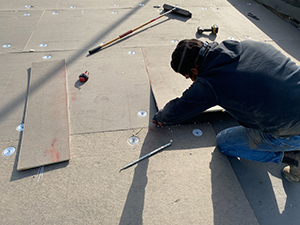
Roofing Contractors Sandpoint, ID

Roofing Contractors Sandpoint, ID 1

In Sandpoint, Idaho, winter is not a mild season. Heavy snowfall, prolonged freezing temperatures, and repeated freeze thaw cycles place significant stress on commercial roofing systems. That is why working with experienced roofing contractors who understand Northern Idaho’s climate is critical for long term building protection. At Flag Ship Foam & Coatings, we help commercial property owners throughout Sandpoint, Idaho, design and install roofing systems built specifically for winter performance. Call 208-946-3031 to schedule a commercial roofing evaluation tailored to Idaho conditions.

How Roofing Contractors Adapt Roofs for Idaho Winters

Commercial buildings in this region cannot rely on standard installation methods used in milder climates. Roofing contractors must adapt materials, insulation strategies, drainage planning, and structural considerations to ensure the roof performs under extreme winter loads.

One of the most important ways roofers adapt systems for Northern Idaho is through snow load planning. Commercial roofs must safely handle significant weight accumulation during peak winter storms.

Professional roofing contractors evaluate:

  • Structural deck strength
  • Slope design to reduce excessive buildup
  • Drain placement to prevent ice blockages
  • Parapet wall impact on drifting snow

Improper snow load management can lead to membrane stress, deflection, and long term structural damage. Skilled roofing contractors factor these elements into system design before installation begins.

Roofing Contractors Sandpoint, ID 2

Freeze/Thaw Cycles

Sandpoint regularly experiences temperature swings above and below freezing. This cycle allows water to enter small cracks and expand when frozen, gradually worsening minor vulnerabilities.

Experienced roofing contractors reduce freeze thaw damage by:

  • Installing fully adhered membrane systems where appropriate
  • Reinforcing seams and transitions
  • Ensuring flashing is properly secured and sealed
  • Eliminating low spots that allow standing water

By limiting water infiltration points, roofers minimize the expansion forces that cause winter deterioration.

Insulation and Thermal Control

Winter performance is not just about waterproofing. It is also about energy retention and condensation control. Commercial buildings lose significant heat through poorly insulated roofs.

Roofing contractors in Northern Idaho focus on:

  • High R value insulation systems
  • Continuous insulation to reduce thermal bridging
  • Proper vapor barrier placement
  • Air sealing around penetrations

Without these considerations, warm indoor air can meet cold roof surfaces and create condensation within the roofing assembly. Over time, trapped moisture compromises insulation and structural decking. Professional roofers design systems that manage both heat flow and moisture migration.

Roofing Contractors and Drainage Design

Flat and low slope commercial roofs are particularly vulnerable to drainage issues during winter. When drains clog or water ponds, freezing temperatures turn standing water into ice sheets.

Skilled roofing contractors adapt drainage systems by:

  • Increasing slope where possible
  • Positioning drains to prevent bottlenecks
  • Installing overflow systems
  • Clearing debris before winter begins

Effective drainage design prevents ice related stress and reduces the risk of membrane cracking or seam failure.

Spray Foam Roofing in Cold Climates

Spray polyurethane foam roofing is a common commercial solution, but it requires specialized expertise in colder regions. Not all roofing contractors are equipped to properly apply and maintain foam systems in Northern Idaho. Application of this system is one of the key tricks contractors utilize for efficient winter cycles.

Professional roofing contractors must consider:

  • Substrate temperature during application
  • Moisture levels before spraying
  • Proper foam thickness for insulation performance
  • Protective coating systems that resist UV and snow exposure

When installed correctly, spray foam creates a seamless barrier that performs well under snow loads while providing strong insulation benefits. Improper application, however, can lead to premature failure.

Wind and Edge Protection

Winter storms often bring high winds in addition to snow. Roof edges and perimeters are especially vulnerable during these events.

Roofing contractors strengthen commercial roofs by:

  • Securing edge metal systems
  • Reinforcing perimeter flashing
  • Inspecting fastener integrity
  • Evaluating parapet cap stability

Wind uplift combined with ice expansion can stress weak attachment points. Local roofing contractors understand which areas require reinforcement based on regional weather patterns.

Roofing Contractors and Inspections

Adapting commercial roofing systems for winter is not limited to installation. Experienced roofing contractors also emphasize seasonal inspections.

Pre winter inspections help:

  • Identify membrane weaknesses
  • Detect early moisture intrusion
  • Confirm drainage functionality
  • Reinforce vulnerable transitions

By addressing small issues before snowfall, roofers reduce emergency repair calls during peak winter months.

Local Roofing Contractors Matter

National or out of area roofing contractors may not fully understand the demands of Northern Idaho winters. Local expertise plays a critical role in material selection, installation techniques, and seasonal preparation.

At Flag Ship Foam & Coatings, we design roofing systems specifically for commercial buildings in Sandpoint, Idaho. Our approach accounts for snow load, freeze thaw cycles, insulation efficiency, and long-term durability. If you want to ensure your roof is prepared for winter performance, contact us at 208-946-3031 to schedule a commercial roofing consultation. Choosing experienced roofing contractors who understand Northern Idaho’s climate protects your building, reduces risk, and extends roof lifespan through even the harshest winter conditions.

FAQ

Do roofing contractors adjust insulation thickness for colder climates?
Yes. Colder regions often require higher R value insulation to meet energy performance standards and reduce heat loss.

Can snow guards be installed on commercial roofs?
Yes. Snow retention systems can help control sliding snow and reduce safety risks near entry points.

Is spray foam roofing effective in snowy regions?
When properly installed and coated, spray foam performs well in cold climates due to its seamless insulation properties.

Do roofing contractors need special certifications for foam systems?
Yes. Proper spray foam installation requires manufacturer training and system specific certification.

Membrane Restoration Sandpoint, ID

Membrane Restoration Sandpoint, ID 1

For commercial and industrial property owners in Sandpoint, ID, maintaining an efficient building goes far beyond internal systems, it starts with the roof. Over time, roofing membranes can deteriorate due to exposure to weather, chemicals, and temperature fluctuations. This degradation can significantly impact energy efficiency, operational costs, and overall building performance. That’s where membrane restoration plays a vital role. Instead of opting for a full replacement, restoration provides a cost-effective way to improve efficiency and extend roof life. Companies like Flag Ship Foam & Coatings in Sandpoint, ID specialize in these advanced solutions. If your facility is experiencing reduced performance or roofing issues, call 208-946-3031 to consult with Flag Ship Foam & Coatings about restoring your roof’s efficiency.

Membrane restoration is more than just a repair, it’s a strategic investment in the long-term performance of your commercial or industrial building.

Why Membrane Restoration Is Critical for Industrial Efficiency

Membrane Restoration Sandpoint, ID 2

One of the most significant benefits of membrane restoration is improved energy efficiency. Industrial buildings often have large roof surfaces that are directly exposed to sunlight and temperature extremes. When the roofing membrane becomes worn or damaged, it loses its ability to reflect heat and insulate the building effectively.

Restoration typically involves applying reflective coatings or advanced materials that improve the roof’s thermal performance. These coatings reduce heat absorption, helping maintain stable indoor temperatures. As a result, HVAC systems do not have to work as hard, leading to lower energy consumption and reduced utility costs.

For industrial facilities in Sandpoint, ID, where operational efficiency is key, even small improvements in energy performance can lead to substantial savings over time. By restoring the membrane rather than replacing it, businesses can achieve these benefits with less disruption and lower upfront costs.

Preventing Downtime and Operational Disruptions

Industrial operations rely on consistency. Unexpected roofing issues, such as leaks or insulation failure, can disrupt production, damage equipment, and create unsafe working conditions. Delaying maintenance or ignoring membrane deterioration increases the risk of these problems.

Membrane restoration addresses vulnerabilities before they escalate into major failures. By sealing cracks, reinforcing weak areas, and improving waterproofing, restoration ensures that the roof can withstand environmental stress. This proactive approach reduces the likelihood of leaks and structural issues that could interrupt daily operations.

Additionally, restoration projects are generally faster and less invasive than full roof replacements. This minimizes downtime, allowing businesses to continue operations with minimal disruption. For commercial property owners, maintaining continuity is essential to meeting production goals and avoiding costly delays.

Extending Roof Lifespan and Reducing Costs

Replacing an industrial roof is a significant investment, often requiring substantial time and financial resources. Membrane restoration offers a more economical alternative by extending the lifespan of the existing roofing system.

By addressing early signs of wear and reinforcing the membrane, restoration can add years, or even decades, to the life of a roof. This delays the need for a full replacement, allowing businesses to allocate resources to other critical areas.

In addition to cost savings, restoration reduces material waste. Instead of removing and discarding the existing roof, the process preserves much of the original structure. This not only lowers disposal costs but also supports environmentally responsible practices.

For businesses in Sandpoint, ID, this combination of cost efficiency and sustainability makes membrane restoration an attractive option for maintaining industrial facilities.

Supporting Environmental and Regulatory Goals

Sustainability is becoming increasingly important for commercial and industrial operations. Many businesses are now required to meet environmental standards or reduce their carbon footprint.

Membrane restoration contributes to these goals by improving energy efficiency and reducing waste. Reflective coatings lower energy consumption, while the preservation of existing materials minimizes landfill contributions. Additionally, many restoration products are designed to meet environmental regulations, making it easier for businesses to comply with industry standards.

For property owners, adopting sustainable roofing practices can also enhance their reputation. Demonstrating a commitment to environmentally responsible operations can attract clients, tenants, and partners who value sustainability.

Working with experienced professionals like Flag Ship Foam & Coatings ensures that restoration projects meet both performance and environmental requirements.

Membrane Restoration Experts

For industrial and commercial property owners in Sandpoint, ID, maintaining efficiency is essential for long-term success. Membrane restoration provides a practical and cost-effective solution for improving energy performance, preventing operational disruptions, and extending the lifespan of roofing systems. By addressing issues early and reinforcing the roof’s protective capabilities, restoration helps businesses avoid costly repairs and downtime. Partnering with experts like Flag Ship Foam & Coatings ensures that the process is handled with precision and expertise. If your facility in Sandpoint, ID is showing signs of membrane wear or reduced efficiency, call 208-946-3031 to speak with Flag Ship Foam & Coatings and take the next step toward a more efficient and durable roofing system.

FAQ

What is membrane restoration in commercial roofing?
Membrane restoration involves repairing and reinforcing an existing roofing membrane using coatings and sealants to improve performance and extend its lifespan.

How does membrane restoration improve energy efficiency?
Reflective coatings reduce heat absorption, helping maintain indoor temperatures and lowering energy usage for heating and cooling systems.

Is membrane restoration suitable for all industrial roofs?
Most flat or low-slope roofing systems can benefit from restoration, but a professional assessment is needed to determine suitability.

How does restoration compare to full roof replacement?
Restoration is typically more cost-effective, less disruptive, and environmentally friendly while still providing long-term performance benefits.

Flat Roof Caulking Sandpoint, ID

Flat Roof Caulking Sandpoint, ID 1

For commercial property owners in Sandpoint, ID, protecting a building from water intrusion is a top priority. Even small gaps or cracks in a flat roofing system can allow moisture to enter, leading to structural damage, insulation problems, and costly repairs. One of the most effective preventative solutions is flat roof caulking, a process that seals vulnerable areas to stop leaks before they start. If you manage a commercial property in Sandpoint, ID, and want to protect your roof from water damage, contact Flag Ship Foam & Coatings at 208-946-3031 to learn how professional roofing services can help maintain the integrity of your building.

Flat roofs are commonly used on commercial buildings due to their practicality and space efficiency. However, their design makes them more susceptible to water pooling and moisture intrusion. Because flat roofs have minimal slope, water tends to remain on the surface longer after rain or snowmelt. Over time, this exposure can weaken seams, flashing, and joints, areas where flat roof caulking plays a crucial role in maintaining protection.

How Flat Roof Caulking Prevents Costly Water Damage

Flat Roof Caulking Sandpoint, ID 2

Unlike steep-slope roofing systems that quickly shed water, flat roofs rely on proper drainage and waterproof barriers to prevent moisture infiltration. When these protective layers weaken or develop gaps, water can seep into the roof assembly.

Several areas of a flat roof are especially vulnerable to leaks, including:

  • Seams where roofing membranes meet
  • Flashing around HVAC units and vents
  • Edges and parapet walls
  • Fasteners and penetrations
  • Small cracks in roofing materials

Even tiny openings can allow water to penetrate beneath the roofing membrane. Once moisture enters the roofing system, it may damage insulation, weaken structural components, and promote mold growth inside the building.

Flat roof caulking helps seal these vulnerable points, creating a watertight barrier that prevents water from entering the structure.

How Flat Roof Caulking Works

Flat roof caulking involves applying specialized sealants to areas of the roof that are prone to leaks. These sealants are designed to bond with roofing materials and remain flexible despite temperature changes, UV exposure, and building movement.

Professional contractors carefully apply caulking to critical locations such as seams, flashing joints, and roof penetrations. The process usually includes the following steps:

Inspection of the roofing surface: Identifying cracks, seams, and potential leak points.

Surface preparation: Cleaning debris, dirt, and moisture from the area to ensure strong adhesion.

Sealant application: Applying durable roofing caulk to fill gaps and reinforce weak areas.

Final inspection: Ensuring all vulnerable areas are properly sealed and protected.

High-quality roofing caulks are formulated to expand and contract as temperatures fluctuate. This flexibility allows the sealant to maintain its protective seal even as roofing materials shift slightly over time.

For commercial buildings exposed to heavy rain, snow, and seasonal temperature changes, this flexibility is essential for preventing water infiltration.

Long-Term Benefits for Commercial Buildings

Flat roof caulking is often considered a preventative maintenance measure, but its benefits extend far beyond simple leak prevention. When applied properly, caulking can significantly improve the durability and lifespan of a commercial roofing system.

Prevents Structural Water Damage

Water that penetrates a roof can damage insulation, decking, and interior ceilings. Caulking helps stop moisture at its entry points before it spreads through the building structure.

Protects Roofing Materials

Constant exposure to moisture accelerates deterioration of roofing materials. By sealing cracks and joints, caulking helps maintain the integrity of the roof surface.

Reduces Maintenance Costs

Small leaks can quickly escalate into major repair projects if left untreated. Proper caulking prevents minor issues from turning into expensive restoration work.

Supports Energy Efficiency

Moisture intrusion can reduce insulation effectiveness, making HVAC systems work harder to regulate indoor temperatures. By keeping the roofing system sealed, caulking helps maintain insulation performance.

For commercial property owners, these benefits translate into lower operating costs and a more reliable roofing system.

When Commercial Roofs Typically Need Caulking

Flat roof caulking is often used as part of routine roof maintenance or during minor repair projects. Some common situations that require new or updated caulking include:

  • Visible cracks around roof penetrations
  • Aging or deteriorating flashing seals
  • Small leaks appearing inside the building
  • Shrinking or splitting sealant along seams
  • Preparation for roof coating or restoration projects

Because commercial roofs experience constant exposure to environmental elements, sealants can eventually dry out or degrade. Reapplying caulking in these areas restores the roof’s waterproof barrier and helps prevent long-term damage.

Property owners who address these issues early can avoid the costly consequences of untreated leaks.

Flat Roof Caulking Experts

Water damage is one of the most expensive problems a commercial building owner can face, but it is often preventable with the right maintenance strategies. Flat roof caulking plays a vital role in protecting roofing systems by sealing vulnerable areas and stopping moisture before it enters the structure. For commercial properties in Sandpoint, ID, this simple yet effective solution can help extend roof lifespan, protect building interiors, and reduce repair costs. To learn more about professional roofing maintenance and flat roof caulking services in Sandpoint, ID, contact Flag Ship Foam & Coatings at 208-946-3031 for expert assistance.

FAQ

What is flat roof caulking used for?
Flat roof caulking is used to seal seams, cracks, and roof penetrations to prevent water from entering the roofing system.

Can flat roof caulking stop small leaks?
Yes. Caulking is commonly used to repair minor leaks by sealing the gaps that allow water to penetrate the roof.

Is flat roof caulking suitable for all roofing materials?
Most roofing sealants are designed to work with common flat roof materials such as TPO, EPDM, metal, and modified bitumen.

Does caulking replace major roof repairs?
No. Caulking is most effective for sealing small gaps and reinforcing vulnerable areas, but severe roof damage may require more extensive repairs.

Rubber Roof Caulking Sandpoint, ID

Rubber Roof Caulking Sandpoint, ID 1

Deciding between rubber roof caulking and a full roof replacement can feel overwhelming for property owners in Sandpoint, Idaho. With heavy snowfall, moisture exposure, and seasonal temperature swings, even small roofing issues can quickly grow if left untreated.

Many commercial and residential property owners turn to Flag Ship Foam & Coatings for expert evaluations, and you can call 208-946-3031 to determine the right solution for your building in Sandpoint, Idaho.

Rubber Roof Caulking: When Is Sealing Enough?

Understanding when rubber roof caulking is enough and when a replacement is necessary helps you avoid unnecessary expenses while still protecting your structure. This guide breaks down how caulking works, where it is most effective, and when a more comprehensive roofing solution becomes the smarter investment.

Before comparing the two options, it helps to understand what rubber roof caulking actually does. Rubber roof caulking is a flexible sealant designed to close gaps, cracks, seams, and penetrations on rubber roofing systems such as EPDM. It creates a waterproof barrier that prevents moisture from entering vulnerable areas of the roof.

What Rubber Roof Caulking Is Designed to Fix

Rubber roof caulking is most effective when addressing localized issues rather than widespread deterioration. It works well for:

  • Small seam separations
  • Minor cracks caused by expansion and contraction
  • Gaps around vents, skylights, and rooftop equipment
  • Flashing edges where water intrusion begins
Rubber Roof Caulking Sandpoint, ID 2

In Sandpoint’s climate, snow melt can seep into even tiny openings. Properly applied rubber roof caulking seals those weak points before freeze-thaw cycles widen them.

When damage is isolated and the overall roofing membrane remains structurally sound, caulking can extend the life of the existing roof without major disruption.

When Rubber Roof Caulking Is Enough

Rubber roof caulking is typically sufficient when the following conditions are met:

  • The roofing membrane is still flexible and intact
  • Leaks are limited to specific, identifiable areas
  • Insulation beneath the membrane is dry
  • The roof is relatively early in its service life

In these cases, sealing vulnerable spots can restore waterproof protection and prevent further moisture intrusion. This approach is often faster and more cost effective than a full replacement.

For commercial buildings and residential flat roofs in Sandpoint, timely sealing before winter can significantly reduce the risk of ice-related damage.

Warning Signs That Point Toward Replacement

While rubber roof caulking is highly effective for targeted repairs, it cannot solve structural or widespread issues. Replacement may be necessary when:

  • Large sections of membrane are brittle or cracking
  • Multiple leaks appear across different roof areas
  • Water has saturated insulation layers
  • The roof is nearing the end of its expected lifespan

If the underlying system is compromised, sealing only treats the surface symptoms rather than the root cause. In those cases, continued patching may lead to repeated service calls and higher long-term costs.

The Impact of Sandpoint’s Weather on Rubber Roof Caulking

Sandpoint experiences significant snowfall and fluctuating temperatures. These conditions accelerate wear on aging rubber roofs. Freeze-thaw cycles expand existing cracks, while heavy snow loads place additional stress on seams and flashing.

Because of these regional factors, timing plays a major role. Addressing minor vulnerabilities with rubber roof caulking before winter sets in can prevent damage from escalating. However, if winter exposure has already caused widespread deterioration, replacement may provide better long-term performance.

What Property Owners Often Overlook

Many building owners delay service until visible interior leaks appear. By that time, moisture may have already spread beneath the membrane. Another common mistake is assuming that multiple small leaks can always be solved with repeated caulking.

The key difference lies in the condition of the roofing system as a whole. A professional inspection determines whether issues are isolated or systemic. This evaluation prevents overspending on temporary fixes when a larger solution is required.

Rubber Roof Caulking Experts

Choosing between rubber roof caulking and full replacement depends on roof condition, extent of damage, and future performance expectations. For many properties in Sandpoint, Idaho, targeted rubber roof caulking offers a practical way to extend roof life and prevent leaks before severe weather arrives.

However, when damage is widespread or structural components are compromised, replacement provides a more reliable long-term solution. Property owners in Sandpoint can contact the experts at Flag Ship Foam & Coatings at 208-946-3031 for a professional assessment. We provide expert guidance on all roofing matters and possess the right technical know-how to perform said roofing services!

FAQ

How long does rubber roof last?
When properly applied, it can last several years depending on weather exposure and roof condition.

Can rubber roof caulking stop active leaks?
Yes if the leak source is localized and the membrane is otherwise intact.

Is caulking a permanent solution?
It can be long lasting for minor issues, but widespread damage may require replacement.

Does snow affect rubber roof caulking performance?
Yes, freeze-thaw cycles can stress sealed areas, making timely application important.

TPO Restoration Sandpoint, ID

TPO Restoration Sandpoint, ID 1

For commercial property owners in Sandpoint, ID, maintaining a durable and energy-efficient roofing system is essential for both operational efficiency and environmental responsibility. One increasingly popular solution is TPO restoration, a process that revitalizes existing roofing systems without the need for a full replacement. By restoring rather than replacing a roof, businesses can reduce waste, improve energy efficiency, and extend the life of their roofing system. If you are exploring sustainable roofing options in Sandpoint, ID, contact Flag Ship Foam & Coatings at 208-946-3031 to learn more about how professional restoration services can help protect your property.

TPO (Thermoplastic Polyolefin) roofing membranes are widely used on commercial buildings because they offer durability, flexibility, and strong resistance to ultraviolet radiation. Over time, however, even the most reliable roofing systems experience wear. TPO restoration provides an eco-conscious way to bring these systems back to optimal performance while minimizing environmental impact.

How TPO Restoration Reduces Environmental Waste

One of the most significant eco-friendly advantages of TPO restoration is its ability to reduce construction waste. Traditional roof replacement often requires tearing off existing roofing materials and sending them to landfills. This process contributes to large amounts of construction debris each year.

With TPO restoration, the existing roof remains in place while specialized coatings and repair techniques restore its protective properties. By preserving the original membrane and reinforcing weak areas, restoration drastically reduces the volume of materials that would otherwise be discarded.

TPO Restoration Sandpoint, ID 2

For commercial building owners, this approach supports sustainability goals by:

  • Reducing landfill waste from roofing materials
  • Conserving natural resources used in new roofing production
  • Minimizing the environmental footprint of construction projects

This environmentally responsible approach aligns with the growing demand for sustainable building practices across many industries.

Energy Efficiency Advantages of TPO Restoration

Another important environmental benefit of TPO restoration is improved energy efficiency. TPO membranes are naturally reflective, meaning they help bounce sunlight away from the building rather than absorbing heat.

When a TPO roof begins to age, dirt buildup, surface wear, and minor damage can reduce its reflective capabilities. Restoration treatments typically include cleaning, repairing seams, and applying reflective coatings that restore the roof’s original energy-saving properties.

For commercial facilities, this can lead to several benefits:

  • Lower indoor temperatures during warmer months
  • Reduced reliance on air conditioning systems
  • Decreased energy consumption and utility costs

In regions that experience seasonal temperature swings, energy-efficient roofing systems can make a significant difference in maintaining comfortable interior environments while lowering operating expenses.

Extending Roof Lifespan with Sustainable Maintenance

From an environmental perspective, one of the most effective ways to reduce construction waste is simply to extend the life of existing structures. TPO restoration allows commercial roofs to remain functional for many additional years, delaying the need for a full replacement.

The restoration process typically includes several steps:

Inspection and preparation: Contractors assess the roof’s condition and identify areas that require repair.

Cleaning and surface treatment: Dirt, debris, and contaminants are removed to ensure proper adhesion of coatings.

Repairs and seam reinforcement: Damaged areas, seams, or flashing components are repaired to restore waterproof integrity.

Protective coating application: A specialized coating enhances UV resistance, reflectivity, and durability.

By strengthening the existing roofing system, restoration provides a second life for the roof while maintaining strong protection against weather and environmental exposure.

For commercial building owners, this strategy offers a balanced combination of sustainability and financial practicality. Rather than committing to a costly and resource-intensive roof replacement, restoration delivers reliable performance while preserving materials already in place.

Additional Environmental Benefits for Commercial Properties

Beyond waste reduction and energy savings, TPO restoration can also contribute to broader sustainability initiatives. Many businesses today are working toward greener operations, and roofing improvements can play a role in achieving those goals.

Restoration projects often require fewer raw materials, less transportation, and reduced construction time compared to full replacements. This means fewer emissions from manufacturing and transportation processes.

Additionally, reflective roof coatings can help mitigate the urban heat island effect, a phenomenon where cities experience higher temperatures due to heat-absorbing surfaces. By reflecting sunlight, restored TPO roofs help maintain cooler building surfaces and contribute to a healthier urban environment.

For commercial properties seeking environmentally responsible building solutions, restoration offers a practical way to improve sustainability without sacrificing performance.

TPO Restoration Experts

As sustainability becomes a growing priority for businesses, roofing strategies that reduce environmental impact are gaining attention. TPO restoration offers a smart, eco-friendly solution by extending roof lifespan, improving energy efficiency, and significantly reducing construction waste. For commercial property owners in Sandpoint, ID, this restoration method provides a responsible and cost-effective way to maintain roofing systems while supporting environmental goals. To learn more about TPO restoration services in Sandpoint, ID, contact Flag Ship Foam & Coatings at 208-946-3031 and explore how professional restoration can protect your building while promoting sustainability.

FAQ

What is TPO restoration?
TPO restoration is a process that repairs and reinforces an existing TPO roofing system using cleaning, repairs, and protective coatings to extend its lifespan.

Is TPO restoration environmentally friendly?
Yes. It reduces landfill waste, conserves materials, and improves energy efficiency, making it a more sustainable alternative to full roof replacement.

Can TPO restoration improve energy efficiency in commercial buildings?
Yes. Reflective coatings applied during restoration help reflect sunlight, reducing heat absorption and lowering cooling demands.

How do I know if my commercial roof is a good candidate for restoration?
A professional inspection can determine whether the membrane and underlying structure are suitable for restoration instead of replacement.

Flat Roof Caulking Sandpoint, ID

Flat Roof Caulking Sandpoint, ID 1

Maintaining a flat roof is crucial for commercial properties in Sandpoint, Idaho, where heavy snow, rain, and seasonal temperature changes can stress roofing systems. One of the most effective ways to protect these roofs is through flat roof caulking. Proper caulking seals seams, joints, and penetrations to prevent leaks, water damage, and structural deterioration.

Businesses that rely on professional commercial roofing services in Sandpoint often turn to Flag Ship Foam and Coatings for expert caulking and maintenance. For tailored solutions, you can reach us at 208-946-3031.

Step-by-Step Guide to Commercial Flat Roof Caulking

Flat roof caulking is a targeted approach to reinforcing the weakest points on commercial roofs. By filling gaps and sealing potential water entry points, it complements coatings, membranes, and other roofing systems. This guide explains how professional caulking is applied, the steps involved, and why it is essential for protecting commercial properties in Idaho’s climate.

Flat roofs are particularly vulnerable to water intrusion because water tends to pool rather than run off quickly. Over time, this can cause leaks, degrade insulation, and weaken the structural deck. Caulking addresses these risks by:

  • Sealing joints between roofing materials and flashing
  • Preventing water from seeping into seams and penetrations
  • Extending the lifespan of the roof system
  • Reducing long-term maintenance costs
Flat Roof Caulking Sandpoint, ID 2

For commercial property owners, proactive caulking ensures fewer emergency repairs, less disruption to operations, and improved roof performance over time.

Inspecting the Roof for Vulnerable Areas

The first step in flat roof caulking is a thorough inspection. Professionals examine the roof to identify areas where water may penetrate, including:

  • Seams between roofing membranes
  • Around vents, HVAC units, and skylights
  • Flashing edges and corner joints
  • Cracks or surface gaps

Identifying these weak spots is essential for effective caulking and helps prevent future leaks before they develop into costly damage.

Preparing the Surface for Flat Roof Caulking

Proper surface preparation ensures the caulking adheres correctly and provides a long-lasting seal. The steps typically include:

  • Cleaning debris, dirt, and loose material from seams and joints
  • Removing old, deteriorated caulking or sealant
  • Ensuring the surface is dry to prevent trapped moisture

This preparation stage is critical, especially in Sandpoint’s variable climate, to guarantee the caulk bonds effectively.

Applying the Caulking

Once the surface is prepped, caulking is applied using specialized tools and techniques. Professional roofing crews ensure:

  • Consistent bead application along seams and penetrations
  • Full coverage of gaps, corners, and flashing edges
  • Smooth finishing for a uniform seal

For commercial properties, correct application is essential because improperly applied caulk can fail under snow load, freeze-thaw cycles, or heavy rain.

Allowing Proper Cure Time

After application, the caulking must cure fully to achieve maximum strength and flexibility. Cure times vary depending on the material (silicone, polyurethane, or others), but proper curing ensures long-term waterproofing. During this time, the roof should remain clear of foot traffic and debris.

Inspecting and Maintaining the Seal

Even after caulking, regular inspections are necessary to maintain roof performance. Professionals may check:

  • Signs of shrinkage, cracks, or gaps
  • Areas exposed to heavy weathering or UV radiation
  • Performance after seasonal changes

Routine inspections and maintenance allow commercial property owners to catch minor issues early, reducing the risk of leaks and roof damage.

Integrating Caulking into Comprehensive Roofing Services

Flat roof caulking is most effective when combined with other commercial roofing services, such as membrane coatings, foam applications, or roof replacements. Together, these services provide seamless protection, energy efficiency, and long-term durability for commercial properties.

Using expert contractors like Flag Ship Foam and Coatings ensures that caulking is applied correctly, inspected regularly, and integrated into a complete roofing maintenance plan for buildings in Sandpoint, Idaho.

Professional Flat Roof Caulking

Investing in professional flat roof caulking is a proactive step for commercial property owners in Sandpoint, Idaho. It prevents leaks, extends roof lifespan, and reduces costly emergency repairs. For reliable flat roof caulking and other commercial roofing services, contact Flag Ship Foam and Coatings at 208-946-3031 to schedule a roof inspection and maintenance plan tailored to your property.

FAQ

What is the difference between caulking and coating for flat roofs?
Caulking seals seams, joints, and penetrations, while coatings cover the entire roof for waterproofing and energy efficiency.

How often should flat roof caulking be inspected?
Most commercial roofs benefit from inspection at least twice a year, especially before and after harsh weather seasons.

Can caulking be applied over an existing roof?
Yes, professional caulking can reinforce older roofing systems if the surface is properly prepared.

Does caulking work for all types of commercial flat roofs?
It is compatible with most commercial membranes, including TPO, PVC, and foam roofs.

Commercial Roofing Services Sandpoint, ID

Commercial Roofing Services Sandpoint, ID 1

Commercial property owners in Sandpoint, Idaho face unique challenges when it comes to maintaining and replacing their roofing systems. Harsh winters, heavy snow, and seasonal rain can cause leaks, membrane damage, and structural wear that compromise a building’s integrity. Professional commercial roofing services help protect properties from these risks while extending roof life and improving energy efficiency.

Businesses seeking expert solutions in Sandpoint can contact Flag Ship Foam and Coatings at 208-946-3031 for tailored commercial roofing services.

Everything You Need to Know About Commercial Roofing Services

Understanding the full scope of commercial roofing services is essential for property managers and building owners. From inspections and repairs to full roof replacements and energy-efficient coatings, these services are designed to prevent damage, reduce long-term costs, and ensure that commercial roofs perform reliably year after year. This guide explains the types of services available, common problems they address, and how professional roofing teams deliver lasting solutions for commercial buildings in Sandpoint.

Why are Commercial Roofing Services Essential?

Commercial roofs are often large, flat, or low slope surfaces that are constantly exposed to weather, UV radiation, and foot traffic. Without proper care, small issues can escalate into major problems that disrupt business operations. Professional commercial roofing services provide proactive solutions to prevent these issues.

Key benefits include:

  • Identifying early signs of leaks, cracks, or membrane deterioration
  • Extending roof lifespan through repairs and coatings
  • Protecting building interiors from water damage
  • Improving energy efficiency and reducing utility costs
Commercial Roofing Services Sandpoint, ID 2

For commercial property owners in Sandpoint, having access to professional services ensures that roofing issues are addressed before they become costly emergencies.

Comprehensive Inspections and Roof Assessments

The cornerstone of commercial roofing services is a thorough roof inspection. Experienced roofing professionals evaluate every aspect of the roof, including:

  • Surface condition and material wear
  • Flashing, seams, and penetrations
  • Drainage systems and potential ponding areas
  • Evidence of leaks or water intrusion

These inspections provide property owners with a detailed understanding of roof health, potential risks, and recommended solutions. Inspections are the first step in developing a tailored maintenance or replacement plan.

Repairs and Maintenance

Once a roof’s condition is assessed, commercial roofing services often include repairs and preventive maintenance. Professionals can seal leaks, reinforce weak areas, and apply protective coatings that extend the life of the roof.

Benefits of professional maintenance include:

  • Preventing small leaks from turning into structural damage
  • Reducing the risk of unexpected downtime
  • Preserving the building’s value
  • Enhancing safety for occupants and workers

Routine maintenance also allows property managers to plan budgets more effectively by avoiding emergency replacements.

Full Roof Replacement Options

When repairs are no longer sufficient, commercial roofing services offer complete roof replacement solutions. Professionals recommend materials and systems based on the building type, climate, and budget. Common options for Sandpoint commercial buildings include:

  • Spray foam roofing for waterproofing and insulation
  • Liquid applied coatings for seamless protection
  • TPO and PVC membranes for durability and energy efficiency
  • Metal roofing for strength and long-term performance

Replacement projects are carefully planned to minimize disruption to business operations while ensuring a durable, long-lasting roof system.

Energy Efficiency and Roof Coatings

Modern commercial roofing services often include energy-efficient solutions. Reflective coatings, foam systems, and specialized membranes help reduce heat absorption, lower cooling costs, and improve indoor comfort. In Sandpoint, Idaho, these solutions are particularly effective during warm summer months and can help offset energy expenses for large commercial facilities.

Expert Commercial Roofing Services

Selecting a professional and experienced roofing company is critical. A trusted provider like Flag Ship Foam and Coatings evaluates your building’s needs, recommends the most suitable materials, and delivers expert installation and maintenance. Property owners benefit from peace.

Investing in professional commercial roofing services ensures that commercial buildings in Sandpoint, Idaho remain safe, functional, and energy efficient. Proper inspections, timely repairs, and expertly executed replacements reduce long-term costs while maintaining the structural integrity of the roof. Businesses can avoid unexpected disruptions and enjoy improved building performance with the right services in place.

For reliable commercial roofing solutions, contact Flag Ship Foam and Coatings at 208-946-3031 and schedule an assessment for your property today.

FAQ

What types of commercial roofing services are available?
Services include inspections, repairs, maintenance, roof replacements, coatings, and energy-efficient upgrades.

How often should commercial roofs be inspected in Sandpoint?
Most commercial roofs should be inspected at least twice a year, especially before and after winter.

Can professional roofing services prevent costly leaks?
Yes. Proactive maintenance and timely repairs significantly reduce the risk of leaks and structural damage.

Are energy-efficient roofing solutions worth the investment?
Absolutely. Reflective coatings and modern membranes lower energy costs and improve roof longevity.

Metal Roof Restoration Sandpoint, ID

Metal Roof Restoration Sandpoint, ID 1

For commercial property owners in Sandpoint, ID, sustainability is no longer just a trend, it’s a business priority. From reducing operational costs to meeting environmental standards, every building component matters. One often overlooked opportunity for greener performance is metal roof restoration. Instead of opting for a full tear-off and replacement, restoration offers an environmentally responsible alternative. If you’re exploring metal roof restoration in Sandpoint, ID, contact Flag Ship Foam and Coatings at 208-946-3031 to learn how this solution can support both your building and your sustainability goals.

Metal roofing systems are known for durability, but even the strongest systems experience wear over time. Restoration provides a way to extend life while minimizing environmental impact.

Is Metal Roof Restoration Eco-Friendly?

One of the most significant environmental advantages of metal roof restoration is waste reduction.

Metal Roof Restoration Sandpoint, ID 2

Avoiding Tear-Off Debris

Traditional roof replacement involves removing large sections of metal panels, fasteners, insulation, and underlayment. This process generates substantial construction waste, much of which ends up in landfills. Even recyclable metal components may become contaminated during removal.

Metal roof restoration, by contrast, preserves the existing panels whenever structurally sound. Surface preparation, rust treatment, seam reinforcement, and protective coatings restore performance without removing the entire system. This dramatically lowers the volume of discarded materials.

Extending Roof Life Cycles

Every time a roof is replaced, new materials must be manufactured, transported, and installed. Each of these steps consumes energy and resources. By extending the life of an existing metal roof, restoration reduces demand for new raw materials and lowers the building’s overall environmental footprint.

For commercial facilities seeking to meet sustainability benchmarks, this life-cycle extension is a key advantage.

Energy Efficiency Benefits of Metal Roof Restoration

Eco-friendliness is not limited to waste reduction. Energy performance plays a crucial role in a building’s environmental impact.

Reflective Coating Systems

Many metal roof restoration processes include applying reflective elastomeric or specialized coating systems. These coatings reduce solar heat absorption, lowering rooftop temperatures during warm months.

In climates that experience seasonal temperature variation, reflective surfaces can help decrease cooling loads. Reduced energy consumption translates into lower greenhouse gas emissions from power generation.

Improved Thermal Performance

Restoration often involves sealing seams, tightening fasteners, and closing small gaps that allow air infiltration. By improving the roof’s overall airtightness, building owners enhance insulation effectiveness and indoor climate control.

Even modest improvements in thermal efficiency can lead to meaningful long-term energy savings across large commercial facilities.

Minimizing Environmental Disruption

Beyond materials and energy use, restoration offers environmental benefits during the construction process itself.

Lower Emissions During Installation

Full roof replacement typically requires heavy machinery, extended labor time, and increased transportation of materials. These activities contribute to higher carbon emissions.

Metal roof restoration is generally less invasive and requires fewer resources on-site. With reduced transportation and equipment demands, the project’s overall environmental impact is smaller.

Reduced Operational Disruption

For commercial buildings such as warehouses, offices, schools, and manufacturing facilities, minimizing disruption is important not only for productivity but also for environmental efficiency. Extended construction projects often increase energy usage due to temporary climate control adjustments and equipment operation.

Because restoration projects are typically faster and less intrusive than full replacements, they support smoother, more energy-efficient building operations during construction.

When Is Metal Roof Restoration the Eco-Friendly Choice?

While metal roof restoration offers strong environmental advantages, it is most effective when the existing roof is structurally sound.

Addressing Surface-Level Deterioration

Common issues such as rust, minor leaks, seam separation, and fastener loosening can often be corrected through restoration. Treating corrosion and reinforcing vulnerable areas prevents further degradation while preserving the underlying structure.

Avoiding Premature Replacement

Prematurely replacing a roof that still has structural integrity wastes both materials and embodied energy. A professional evaluation can determine whether restoration is a viable option. When feasible, restoration represents a balanced solution between performance, cost control, and sustainability.

Commercial property owners who prioritize environmental responsibility often find that restoration aligns with both operational and corporate sustainability goals.

Long-Term Environmental Value

Sustainability is not just about immediate environmental impact, it’s about long-term performance. A restored metal roof can continue functioning efficiently for many additional years. By combining durability with energy efficiency and reduced waste, metal roof restoration contributes to responsible asset management.

As environmental regulations and corporate sustainability standards continue to evolve, building owners who choose restoration demonstrate forward-thinking stewardship of both their property and the environment.

Metal Roof Restoration Experts

For commercial building owners in Sandpoint, ID, metal roof restoration offers a practical, eco-friendly alternative to full roof replacement. By reducing landfill waste, lowering material consumption, improving energy efficiency, and minimizing construction-related emissions, restoration supports sustainable facility management. If you are considering metal roof restoration in Sandpoint, ID, contact Flag Ship Foam and Coatings at 208-946-3031 to explore environmentally responsible solutions for your commercial property.

FAQ

Is metal roof restoration more environmentally friendly than replacement?
Yes. Restoration reduces landfill waste, lowers material consumption, and minimizes energy use associated with manufacturing and transportation.

Do reflective coatings really improve energy efficiency?
Reflective coatings can reduce heat absorption, potentially lowering cooling demands in commercial buildings.

Can a rusted metal roof still be restored?
In many cases, surface rust can be treated and sealed, provided the structural integrity of the panels remains intact.

Does restoration affect the recyclability of metal roofing in the future?
Restored metal roofs typically remain recyclable at the end of their service life, preserving long-term environmental value.

Flat Roof Coatings Sandpoint, ID

Flat Roof Coatings Sandpoint, ID 1

Flat roofs require specialized protection to perform reliably over time. In Sandpoint, modern flat roof coatings provide a seamless, liquid-applied solution that cures into a durable membrane. These systems help guard against water intrusion, ultraviolet exposure, and daily weather conditions that can shorten roof lifespan. Selecting the right coating is not simply a matter of preference. It involves matching the roofing system to the specific environmental demands it faces to ensure long-term performance.

Reach out to Flag Ship Foam & Coatings for professional flat roof coating services in Sandpoint, ID, and receive expert guidance on the best solution for your building. Call 208-946-3031.

Comparing Flat Roof Coatings

In this guide, we break down the three most popular types of flat roof coatings used today: acrylic, silicone, and polyurethane. You will learn how each system works, where it performs best, and what makes it unique so you can better understand which solution fits your building.

Acrylic Flat Roof Coatings for Reflective Protection

Acrylic systems are one of the most widely used flat roof coatings because of their strong reflectivity and cost efficiency. These water based coatings create a bright, reflective surface that bounces sunlight away from the roof. In warmer months, this helps reduce heat absorption and keeps roof temperatures lower.

Acrylic coatings perform especially well in climates where UV exposure is a concern. They are lightweight, easy to apply, and ideal for roofs with good drainage. Because they are water based, they are also a practical choice for projects where low odor and quick cleanup are important. However, acrylic systems are best suited for roofs that do not experience long periods of standing water.

Flat Roof Coatings Sandpoint, ID 2

Silicone Flat Roof Coatings for Superior Waterproofing

Silicone systems are known for their outstanding moisture resistance. Among modern flat roof coatings, silicone stands out for its ability to handle ponding water without breaking down. Once cured, it forms a durable, highly waterproof membrane that resists cracking and peeling.

This makes silicone a strong choice for flat roofs with imperfect drainage or in areas that see heavy rain and snow. Silicone coatings stay flexible across a wide temperature range, allowing them to move with normal expansion and contraction. Their resistance to weathering helps protect the roof system over time, especially in regions with seasonal extremes.

Polyurethane Flat Roof Coatings for Durability

Polyurethane coatings are known for their strength and impact resistance. These flat roof coatings create a dense, durable surface that stands up well to foot traffic and mechanical wear. Buildings with rooftop equipment or frequent maintenance access often benefit from a polyurethane system.

There are typically two layers involved: a base coat designed for adhesion and strength, followed by a top coat that adds UV stability. Together, they produce a resilient surface that resists abrasion and physical wear. For roofs that experience activity or exposure to harsh conditions, polyurethane offers a balance of strength and long term protection.

Choosing Between Flat Roof Coating Options

Each of these flat roof coatings brings a different strength to the table. Acrylic excels in reflectivity and affordability. Silicone leads in waterproofing and ponding resistance. Polyurethane delivers superior durability and impact protection.

The right choice depends on several factors:

  • Roof drainage and likelihood of standing water
  • Expected foot traffic and equipment load
  • Exposure to sunlight and temperature swings
  • Budget and performance priorities

Understanding these variables helps property owners make smarter decisions. A professional evaluation ensures the coating system aligns with the roof’s structure and the local environment.

Matching Flat Roof Coatings Climate

Sandpoint’s climate introduces a mix of moisture, seasonal temperature shifts, and sun exposure. Flat roof coatings must be selected with these conditions in mind. A coating that performs well in one environment may not be ideal in another.

For example, roofs prone to water accumulation may benefit more from silicone, while buildings seeking energy efficiency may lean toward acrylic. Facilities that experience rooftop activity often require the toughness of polyurethane. Matching the coating to the building’s real world demands is key to long term performance.

Specializing in Flat Roof Coatings

Choosing the right flat roof coating requires understanding both the building’s needs and the local climate. In Sandpoint, acrylic, silicone, and polyurethane coatings each provide distinct advantages when properly selected and applied. The correct system can extend roof lifespan, improve energy efficiency, and enhance protection against moisture and weather exposure. Matching the coating type to the specific roof condition ensures long-term performance and value.

Reach out to Flag Ship Foam & Coatings for professional flat roof coating services in Sandpoint, ID, and receive expert guidance tailored to your property. Call 208-946-3031.

FAQ

Can flat roof coatings be applied over an existing coating?
Yes, many systems can be installed over compatible existing coatings after proper surface preparation.

How long does a flat roof coating installation take?
Most projects are completed within a few days depending on roof size and conditions.

Do coatings change the appearance of a building?
Yes, reflective coatings can brighten the roof surface and improve overall appearance.

Are flat roof coatings environmentally friendly?
Many modern coatings are designed to reduce energy use and support sustainability goals.

Roofing Contractors Helena, MT

Roofing Contractors Helena, MT 1

For commercial property owners in Helena, MT, protecting your building starts at the top. While visible issues like missing materials or obvious leaks get immediate attention, the real threat often lies beneath the surface. Experienced roofing contractors are trained to detect and diagnose hidden roof damage before it leads to costly repairs or operational downtime. If you suspect concealed roofing issues, contact Flag Ship Foam & Coatings at 208-946-3031 to schedule a professional evaluation in Helena, MT.

Hidden roof damage can compromise insulation, weaken structural components, and increase energy costs without obvious warning signs. That’s why thorough inspections go far beyond a quick visual check.

How Roofing Contractors Inspect and Diagnose Hidden Roof Damage

Professional roofing contractors begin with a detailed exterior inspection. While some damage is visible, trained eyes look for subtle indicators that signal deeper problems.

Roofing Contractors Helena, MT 2

Surface Irregularities

Blistering, bubbling, or uneven membrane sections may indicate trapped moisture beneath the roofing layer. Even small cracks or seam separations can allow water infiltration that spreads silently over time.

Flashing and Penetration Checks

Areas around vents, skylights, HVAC units, and drains are common weak points. Contractors examine flashing for lifting, corrosion, or sealant failure. These minor-looking issues often lead to significant interior damage if ignored.

Drainage System Evaluation

Clogged or poorly functioning drainage systems can cause ponding water. Over time, standing water stresses roofing materials and accelerates deterioration. Contractors assess slope, drainage flow, and debris buildup to determine potential risks.

This surface-level evaluation helps identify red flags that require deeper investigation.

Advanced Moisture Detection Techniques

Hidden roof damage often involves moisture infiltration beneath the membrane. Professional roofing contractors use specialized tools and techniques to detect moisture that isn’t visible to the naked eye.

Infrared Thermography

Infrared cameras detect temperature variations across the roof surface. Wet insulation retains heat differently than dry materials, allowing contractors to pinpoint moisture pockets without invasive removal.

This non-destructive method helps identify affected areas quickly and accurately.

Core Sampling

In some cases, contractors may take small core samples to examine underlying materials. This allows them to assess insulation saturation, membrane layers, and deck condition. Core sampling provides precise data about the roof’s structural health.

Electronic Leak Detection

For certain commercial roofing systems, electronic testing identifies breaches in waterproof membranes. These tests are particularly useful for flat or low-slope roofs where leaks may travel far from the entry point before appearing inside the building.

By combining these technologies, roofing contractors can diagnose hidden problems before they escalate.

Interior Inspections: Following the Clues Inside

Hidden roof damage often reveals itself inside the building before it becomes visible outside.

Ceiling and Wall Indicators

Water stains, peeling paint, or warped ceiling tiles can signal roof leaks. Contractors trace these signs back to their source, which may not be directly above the visible damage.

Insulation and Structural Assessment

Moisture that penetrates roofing systems can saturate insulation and weaken decking. Over time, this compromises structural integrity. A professional inspection evaluates these components to determine whether repairs or partial replacement are necessary.

HVAC and Ventilation Impact

Poor ventilation can trap moisture and accelerate deterioration. Contractors review airflow patterns and rooftop equipment placement to ensure the roofing system performs as intended.

Interior inspections complement exterior findings, creating a comprehensive diagnosis.

Why Early Detection Protects Your Investment

For commercial building owners, hidden roof damage can lead to:

  • Increased energy costs due to compromised insulation
  • Mold growth and indoor air quality concerns
  • Structural deterioration
  • Unexpected operational downtime
  • Expensive emergency repairs

Proactive inspections by experienced roofing contractors help prevent these outcomes. Addressing small issues early is significantly more cost-effective than responding to major failures.

In climates like Helena, MT, where snow, ice, and seasonal temperature changes place added stress on roofing systems, routine professional evaluations are especially important. Freeze-thaw cycles can expand minor cracks into larger structural concerns, making early diagnosis essential.

Preventive Strategy By Roofing Contractors

After diagnosing hidden damage, roofing contractors typically recommend targeted repairs or protective solutions such as sealing, reinforcement, or coating systems. These measures extend roof life and reduce future risk.

A preventive approach includes:

  • Documenting findings for insurance or warranty purposes
  • Scheduling timely repairs
  • Monitoring previously repaired areas
  • Maintaining clear drainage systems

By working with skilled professionals, commercial property owners can turn their roof from a liability into a reliable asset.

Reliable Roofing Contractors

Hidden damage doesn’t announce itself, it develops quietly until it becomes a costly problem. That’s why professional inspections are vital for commercial properties in Helena, MT. To protect your investment and ensure your roofing system is performing at its best, contact Flag Ship Foam & Coatings at 208-946-3031 for a comprehensive evaluation today.

FAQ

What causes hidden roof damage in commercial buildings?
Moisture infiltration, poor drainage, aging materials, and extreme weather conditions commonly contribute to concealed damage.

Can hidden roof damage affect energy efficiency?
Yes. Wet or damaged insulation reduces thermal performance, increasing heating and cooling costs.

Is specialized equipment necessary to detect hidden damage?
Advanced tools like infrared cameras and electronic leak detection systems provide accurate, non-invasive assessments.

Can minor hidden damage lead to structural issues?
If left untreated, small moisture problems can weaken decking and structural components over time.