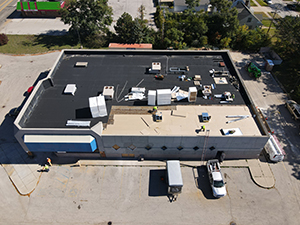
Commercial property owners in Moscow, ID know that the local climate is not gentle on buildings. From heavy winter snowpack and freeze-thaw cycling to summer heat and UV intensity, the Palouse region delivers a full range of conditions that test every component of a commercial roofing system. Single-ply roofing membranes are among the most widely used systems on commercial buildings across the region, and understanding how weather affects their performance is essential for anyone responsible for maintaining a commercial property.
Reach out to Flag Ship Foam & Coatings at 208-946-3031 to learn more or schedule a consultation.
How Weather Impacts Single-Ply Roofing
Single-ply roofing refers to flexible membrane systems installed in a single layer over a commercial roof substrate. The two most common types on commercial buildings in the Pacific Northwest are EPDM (ethylene propylene diene monomer) and TPO (thermoplastic polyolefin). EPDM is a synthetic rubber membrane known for flexibility and cold-weather performance. TPO is a heat-welded thermoplastic system valued for its reflectivity and resistance to UV degradation. Both systems are well suited to low-slope and flat commercial roofs, but each responds differently to the specific weather patterns Moscow properties experience throughout the year.
Winter: Snow Load, Ice, and Freeze-Thaw Stress
Winter presents the most demanding conditions for single-ply roofing systems in northern Idaho. Heavy snowpack accumulation places sustained weight on the membrane and roof structure, stressing seams and any areas where the membrane has begun to lose adhesion. More damaging is the freeze-thaw cycle that occurs repeatedly through late winter and early spring, as daytime temperatures rise above freezing and then drop again overnight.
Water that infiltrates even a minor seam gap or puncture during a thaw event will expand as it refreezes, widening the breach with each cycle. Flashings around penetrations and at roof perimeters are particularly vulnerable during this period, as the repeated movement of expanding and contracting materials stresses the bond between the membrane and adjoining surfaces. EPDM performs well in cold temperatures due to its inherent flexibility, while TPO membranes can become more brittle in extreme cold, making installation quality and seam integrity especially important in Moscow’s climate.
Spring: Snowmelt, Ponding Water, and Drainage Stress
As winter gives way to spring on the Palouse, rapid snowmelt creates high volumes of water that drainage systems must manage effectively. Single-ply membranes on roofs with compromised or partially blocked drains are exposed to prolonged ponding, which accelerates seam deterioration and places sustained hydrostatic pressure on any existing membrane weaknesses. Spring inspections are critical for Moscow commercial properties because they reveal the cumulative damage of the winter season before warmer temperatures allow minor issues to be addressed cost-effectively.
Biological growth including moss and algae can also establish itself on membrane surfaces during the wet spring season, particularly on north-facing roof areas that receive less direct sunlight. Left unaddressed, biological growth retains moisture against the membrane surface and can degrade the material over time.
Summer: UV Exposure and Thermal Cycling
Moscow summers bring extended daylight hours and significant UV intensity that affects single-ply membranes differently depending on their composition. TPO membranes are formulated with UV stabilizers and reflective surfaces that manage solar exposure effectively, making them a strong performer in summer conditions. EPDM absorbs more solar energy, which can elevate rooftop temperatures and increase thermal movement across the membrane surface.

Thermal cycling, the daily expansion and contraction of roofing materials as temperatures rise and fall, places ongoing stress on seams and termination points throughout the summer months. Over time, this movement can cause adhesive bonds to fatigue and seam edges to lift, creating entry points for water when fall precipitation arrives. Membrane areas around rooftop equipment are particularly susceptible because foot traffic and mechanical vibration compound the thermal stress already present.
Fall: Wind, Debris, and Pre-Winter Preparation
Fall in northern Idaho brings increased wind events and falling debris that create puncture and abrasion risk for single-ply membranes. Leaf accumulation over drains is a common and preventable problem that leads to ponding during fall rain events. Wind-driven debris can score the membrane surface or displace poorly secured flashings, and the damage may not produce an interior leak until winter moisture infiltration makes it visible.
Fall is the most important season for proactive maintenance on Moscow commercial properties. Addressing identified deficiencies before freeze-up ensures the roof enters winter in the strongest possible condition, reducing the likelihood of mid-season failures that are difficult and costly to repair in cold or frozen conditions.
Single-Ply Roofing Experts
Flag Ship Foam and Coatings provides commercial single-ply roofing services throughout Moscow, ID and the surrounding region. Their team understands how the Pacific Northwest climate affects roofing system performance and delivers inspections, maintenance, and repair work tailored to the conditions Moscow commercial properties actually face. Contact Flag Ship Foam and Coatings at 208-946-3031 to schedule a roof assessment and ensure your single-ply system is prepared for whatever the season brings.
FAQ
Is EPDM or TPO a better choice for Moscow’s climate?
Both systems perform well in northern Idaho with proper installation and maintenance. EPDM’s flexibility gives it an advantage in extreme cold, while TPO’s reflective surface manages summer UV exposure effectively. The right choice depends on the specific building, existing system, and budget, and a qualified contractor can help evaluate the options for your property.
How soon after a weather event should I schedule a roof inspection?
Promptly. Inspecting after major weather events while conditions allow access gives you the best opportunity to document damage accurately, address vulnerabilities before the next weather system arrives, and establish a clear record that supports any insurance claim that may follow.